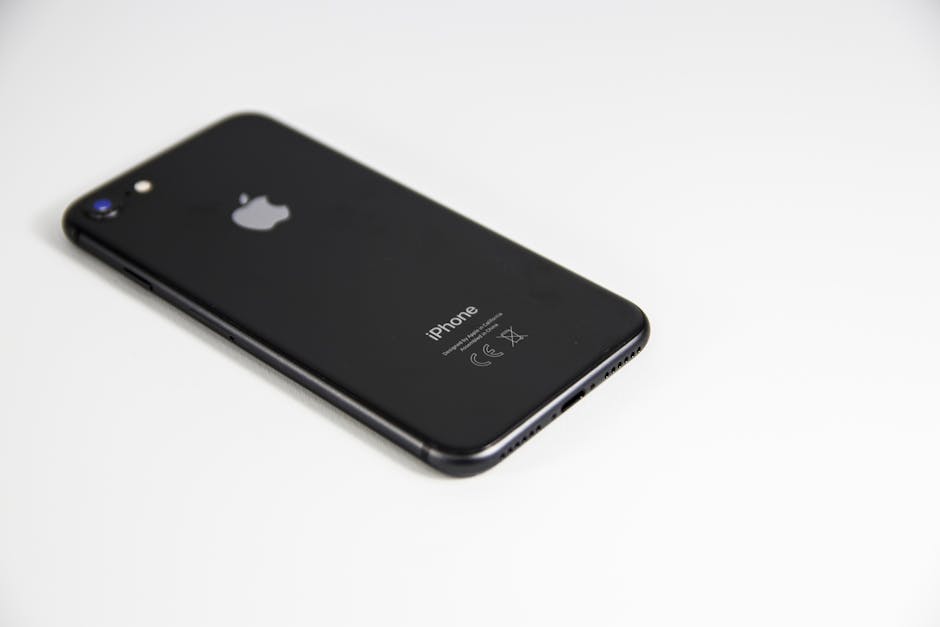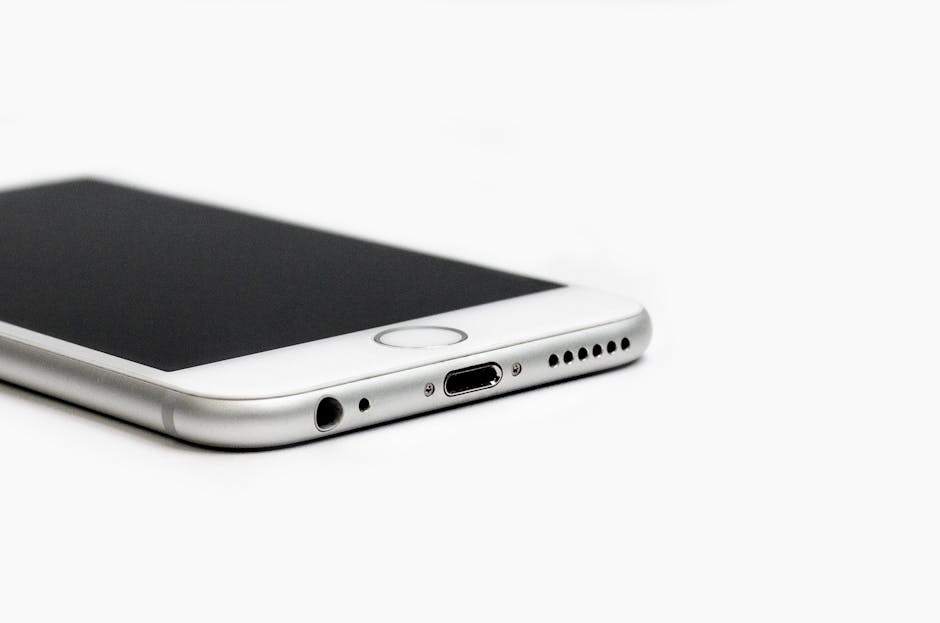




Is your iPhone acting up? Need to conserve battery life? Or perhaps you simply want some digital downtime? Knowing how to properly switch off your iPhone is a fundamental skill for every user. This guide will walk you through various methods, from the standard button press to troubleshooting scenarios when your device isn’t responding. We’ll also cover how to restart your iPhone, which can often resolve minor software glitches.
Method 1: The Standard Button Press (For iPhones with Face ID)
For iPhones with Face ID (iPhone X and later models), the power-off process involves a combination of buttons. This is designed to prevent accidental shutdowns.
Press and Hold the Side Button and Volume Button
Locate the side button (also known as the power button) on the right side of your iPhone. Simultaneously press and hold this button along with either the volume up or volume down button on the left side of your device.
Swipe to Power Off
After a few seconds, a power-off slider will appear at the top of the screen. This slider will say “slide to power off.” Simply swipe the slider from left to right to completely switch off your iPhone. Your iPhone will then power down.
Waiting for Complete Shutdown
Once you swipe the slider, your iPhone will begin the shutdown process. The screen will go black. Wait a few seconds to ensure the device is completely powered off before attempting to turn it back on.
Method 2: The Standard Button Press (For iPhones with a Home Button)
If you have an older iPhone model with a Home button (like the iPhone SE 2nd generation or iPhone 8), the power-off procedure is slightly different.
Press and Hold the Side Button
For these models, the side button acts as the primary power button. Simply press and hold the side button (located on the right side of the device).
Swipe to Power Off
Similar to iPhones with Face ID, a power-off slider will appear at the top of the screen. Swipe the slider from left to right to switch off your iPhone.
Complete Shutdown
Allow a few seconds for the iPhone to completely power down after swiping the slider. The screen will turn black, indicating the shutdown is in progress.
Method 3: Using AssistiveTouch to Switch Off Your iPhone
AssistiveTouch is an accessibility feature that allows you to control your iPhone using an on-screen menu. This can be a helpful alternative if your physical buttons are damaged or malfunctioning.
Enabling AssistiveTouch
First, you need to enable AssistiveTouch. Go to Settings > Accessibility > Touch > AssistiveTouch and toggle the switch to the “on” position. A small, translucent button will appear on your screen.
Accessing the Power Off Option
Tap the AssistiveTouch button. A menu will appear. Navigate to Device > More > Restart. While this option is labeled “Restart,” holding the virtual “Restart” button will bring up the power off slider.
Swipe to Power Off (via AssistiveTouch)
Once the power off slider is displayed, swipe it from left to right to power off your iPhone.
Method 4: Force Restarting Your iPhone (When it’s Unresponsive)
Sometimes, your iPhone may become unresponsive, preventing you from using the standard methods to switch it off. In such cases, a force restart is necessary. A force restart doesn’t erase any data.
Force Restart on iPhones with Face ID and iPhone 8/8 Plus
Quickly press and release the volume up button. Then, quickly press and release the volume down button. Finally, press and hold the side button until the Apple logo appears on the screen.
Force Restart on iPhone 7/7 Plus
Press and hold both the side button and the volume down button simultaneously until the Apple logo appears.
Force Restart on iPhone 6s and Earlier
Press and hold both the Home button and the side button simultaneously until the Apple logo appears.
Why Use Force Restart?
A force restart is useful when your iPhone freezes, becomes unresponsive, or experiences software glitches that prevent normal operation. It essentially forces the device to reboot, clearing temporary memory and resolving minor software issues.
Troubleshooting: Common Issues and Solutions
Even with these instructions, you might encounter some challenges. Here are a few common issues and how to address them:
Power Slider Not Appearing: Ensure you are pressing the correct buttons simultaneously and holding them for the required duration. Check if your buttons are physically damaged. Try cleaning around the edges of the buttons. iPhone Still Won’t Turn Off: If your iPhone remains unresponsive even after attempting a force restart, consider connecting it to a power source. A low battery could be the culprit. AssistiveTouch Not Working: Double-check that AssistiveTouch is enabled in Settings. If it’s enabled but not responding, try restarting your iPhone using the physical buttons (if possible). Damaged Buttons: If your power button or volume buttons are damaged, you can rely on AssistiveTouch as a temporary solution. Consider getting the damaged buttons repaired by a certified Apple technician.
Conclusion: Powering Down for a Better Experience
Knowing how to switch off your iPhone is a crucial skill that can help you conserve battery, troubleshoot problems, and simply disconnect from the digital world. Whether you’re using the standard button press, AssistiveTouch, or a force restart, these methods will ensure your iPhone is properly powered down when needed. If you continue to experience issues, consider contacting Apple Support for further assistance. Take control of your iPhone experience by mastering the power-off process! Remember to always back up your iPhone regularly to prevent data loss.